

Deal-room platforms promise a cinematic buying experience—but many agencies, freelancers, and SMB sales teams mainly need answers to three quieter questions:
- Did the buying group engage for real—not just receive a forwarded link?
- Which slices of the deck, scope, or pricing actually held attention?
- When is a respectful follow-up useful, not needy?
Those questions are analytics problems, not “install another enterprise stack” problems. Lightweight digital sales room analytics (page-level dwell time, revisit patterns, completion and downloads without IT theater) sits squarely inside Docutracker’s wheelhouse.

Why teams search for analytics before they want a branded room
SMB buyers compare “digital sales room” tooling when they crave visibility—not necessarily a custom microsite builder. Procurement-led rooms often bundle storage, stakeholder tabs, approvals, procurement flows, compliance modules, role matrices, SSO projects, templates, onboarding weeks, seats you do not consume, and a price tag calibrated for VC-backed unicorns—not a fifteen-person outbound shop sharing revamp proposals twice a week.
The Docutracker angle stays grounded: attach buyer-centric measurement (what people read and return to) onto the collateral you already author in Google Slides, InDesign exports, Markdown-to-PDF, or your template rig in Docutracker’s library. When you strip the glossary back to observable behavior, analytics becomes action: call when pricing gets a second lap, not when Gmail shows “opened”.
A practical measurement stack vs. heavyweight deal rooms
| Need | Lightweight analytics layer | Common enterprise-room overhead |
|---|---|---|
| See where buyers linger | Slide/page timing + repeats | Seats + modules + SSO |
| Prove internal sharing | Returning viewers + IPs vs. fingerprints | Procurement review boards |
| Time follow-ups | Alerts tied to substantive reads | Custom workflow designer |
| Pay fairly | Metered uploads / predictable credits | Mandatory seat bundles |
Neither column is universally “better.” If you orchestrate seventy stakeholders through legal review portals, layered stacks exist for a reason. If you coordinate SMB deals via tight loops—founder AE, outsourced revops, creatives selling retainers—you likely want instrumentation that attaches to trackable viewer links without six meetings on governance.
Marketing proposal templates (exported as branded PDF or shared directly) illustrate buyer focus out of the box:
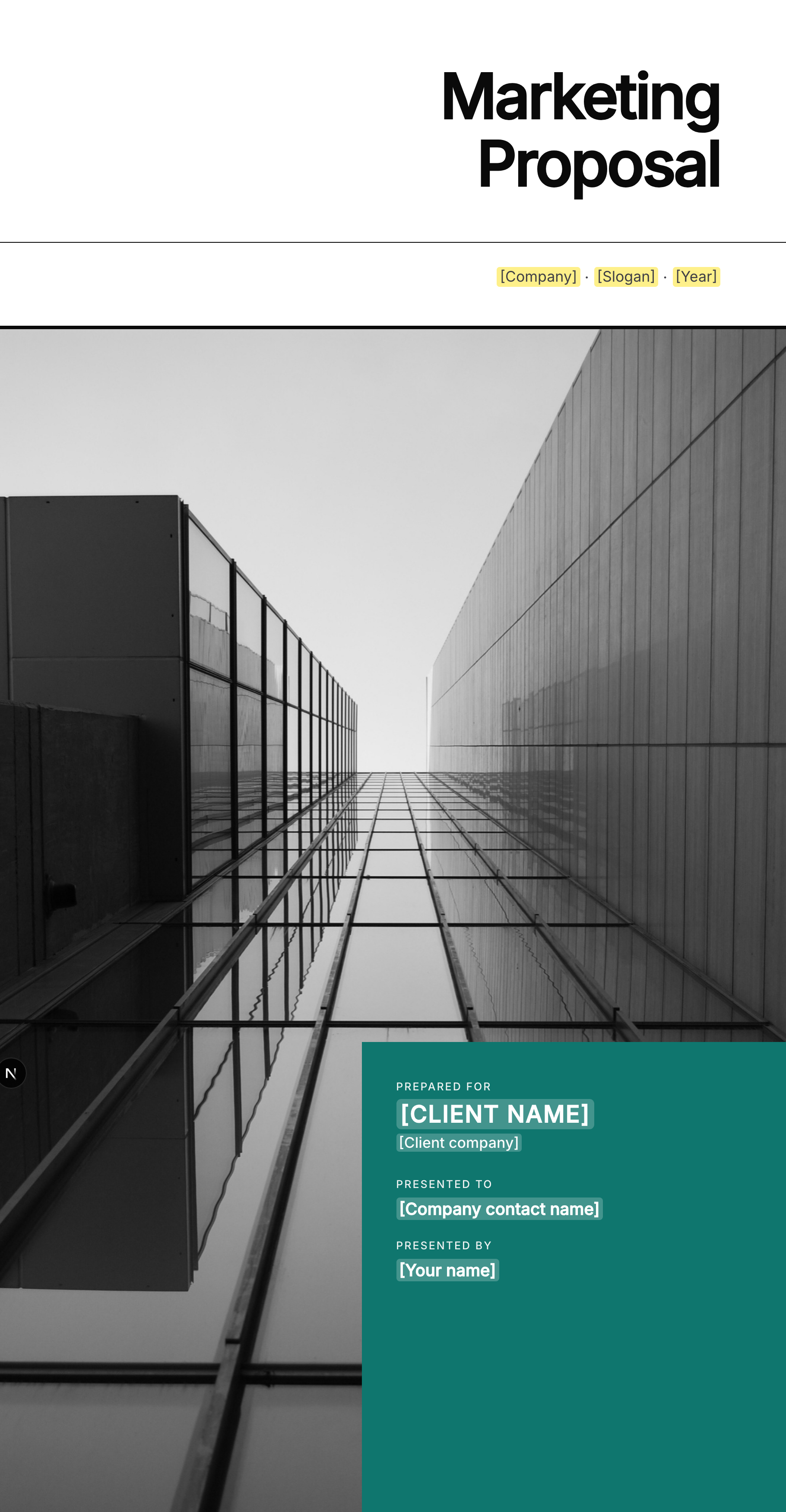
Pair that collateral with page attention analytics—Docutracker’s dashboards highlight which sections earn minutes vs. skimmed scrolls—so AE + CS handoffs stay conversational, not improvised.
Workflow pattern that fits agencies and scrappy SaaS AE teams
Upload or export → protect access optionally (email gates, expiry, watermarking if you insist) → distribute inside email or chat exactly how you sell today → observe behavior rather than rewriting your motion.
Alerts when a dormant opportunity returns to appendix pricing beat vanity metrics that only confirm an email notification fired. Tie that story to how sales collateral earns pipeline credit when marketing leadership asks whether an asset sprint mattered—not because every PDF needs a ballroom reveal, but because SMB leaders still deserve traceability.
Pricing stays transparent compared with enterprise tooling—see /pricing. If you explored DocSend-era rooms before, skim DocSend alternatives for 2026—the comparison overlaps on buyer analytics while staying clear this article is specifically about avoiding deal-room procurement rabbit holes.
Finally, stacks that already ingest CRM timelines still benefit when buyer-facing document behavior complements seller activity timestamps; CRM sync expectations outlines how reps keep both lenses honest without duplicating busywork.
Takeaway for non-enterprise teams
Treat “digital sales room analytics” language as shorthand for observable buyer reading behavior across your narratives. Anchor on SMB practicality: fewer seats, clearer bills, dashboards your closers glance at between calls—and none of the compliance-first theater that dominates enterprise positioning.